Think about the last time you bought from a business you had never used before. Before you made a decision, you probably noticed a few things: how the website looked, how the business described itself, whether the logo looked professional, and whether everything felt consistent.
You may not have thought of it as “branding,” but it influenced your decision.
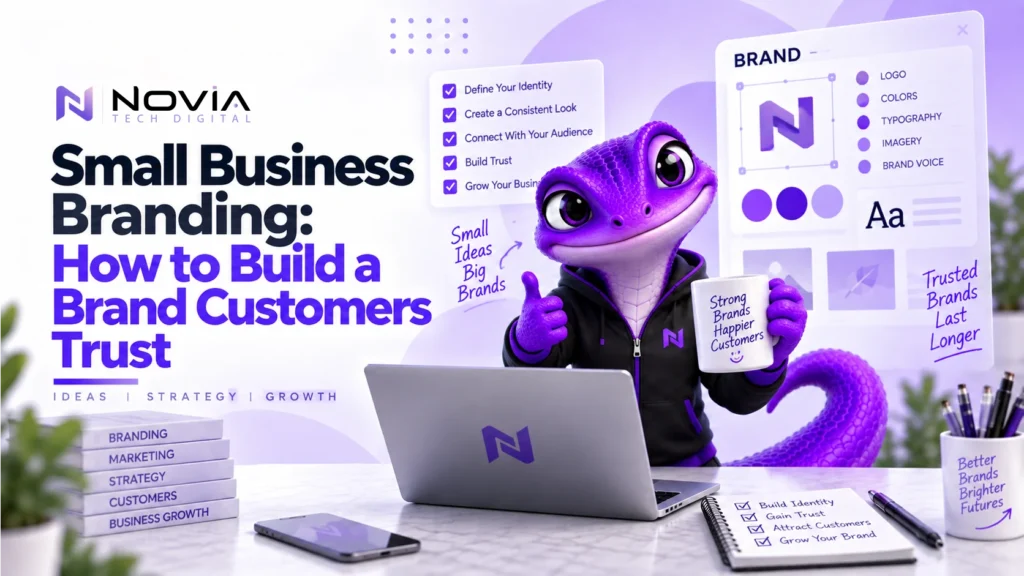
That is why small business branding matters. It shapes how customers see your business, remember it, and decide whether to trust it.
Many small business owners think branding is only for big companies with large budgets. In reality, small businesses often benefit the most. When you are competing against better-known names, a clear and consistent brand can help you look more established and more reliable.
In this guide, we will explain what branding means, why it matters, and how to build a brand step by step.
What Is Small Business Branding?
Small business branding is the process of defining how your business looks, sounds, and feels to customers.
It includes your:
- Business name and logo
- Colors and typography
- Brand voice and messaging
- Website and social media style
- Packaging and printed materials
- Customer experience
In simple terms, branding is the impression people have of your business. Some of it is created by design. Some of it comes from how you communicate and how you treat customers.
A brand is not just what you say about yourself. It is also what customers feel and remember after interacting with you.
Is Branding the Same as a Logo?
No. A logo is one part of branding, but it is not the whole picture.
Your logo is a visual symbol. Your brand is the full system around it, including your message, design style, tone of voice, and customer experience.
A business can have a good logo and still look inconsistent if its website, social media, and marketing materials all use different styles. That is why professional logo design works best as part of a wider brand identity, not as a standalone graphic.
Branding also differs from graphic design services. Graphic design creates individual visual assets like flyers, social posts, or packaging. Branding is the strategy that decides how all of those assets should look and feel together.
Why Does Small Business Branding Matter?
Branding will not fix a weak product or poor service. But for a good business, it can make a real difference.
1. It Creates a Stronger First Impression
Customers often judge a business within seconds. A clear, professional brand shows that you take your business seriously, even before someone reads your full story.
2. It Builds Trust
People are more comfortable spending money with a business that looks organized and reliable. Consistent visuals and messaging help customers feel they are dealing with a real, established company.
3. It Helps You Stand Out
In most industries, many businesses offer similar products or services. Good branding gives customers a reason to remember you instead of a competitor.
4. It Makes Your Marketing More Consistent
When your brand has clear colors, fonts, and messaging, every new ad, post, or flyer becomes easier to create and easier to recognize.
5. It Helps You Compete With Larger Businesses
A small team can still look polished and professional. You may not have the same budget as a big company, but a strong brand identity helps level the playing field.
6. It Supports Long-Term Growth
As your business adds new products, services, or locations, a clear brand gives you a foundation to grow without losing consistency.
The Key Elements of Small Business Branding
A complete brand is made up of several connected parts. Here are the main ones.
1. Brand Purpose and Values
Start with the basics. Why does your business exist, and what does it stand for? Customers connect more easily with businesses that have a clear purpose.
2. Target Audience
You cannot build a strong brand for everyone. Decide who your ideal customers are, what they need, and what matters to them. Every branding decision becomes easier once you know who you are speaking to.
3. Brand Positioning
Positioning is how you want to be seen compared to competitors. Are you the most affordable option, the most premium, the most personal, or the most specialized? A clear position makes your message stronger.
4. Logo and Visual Identity
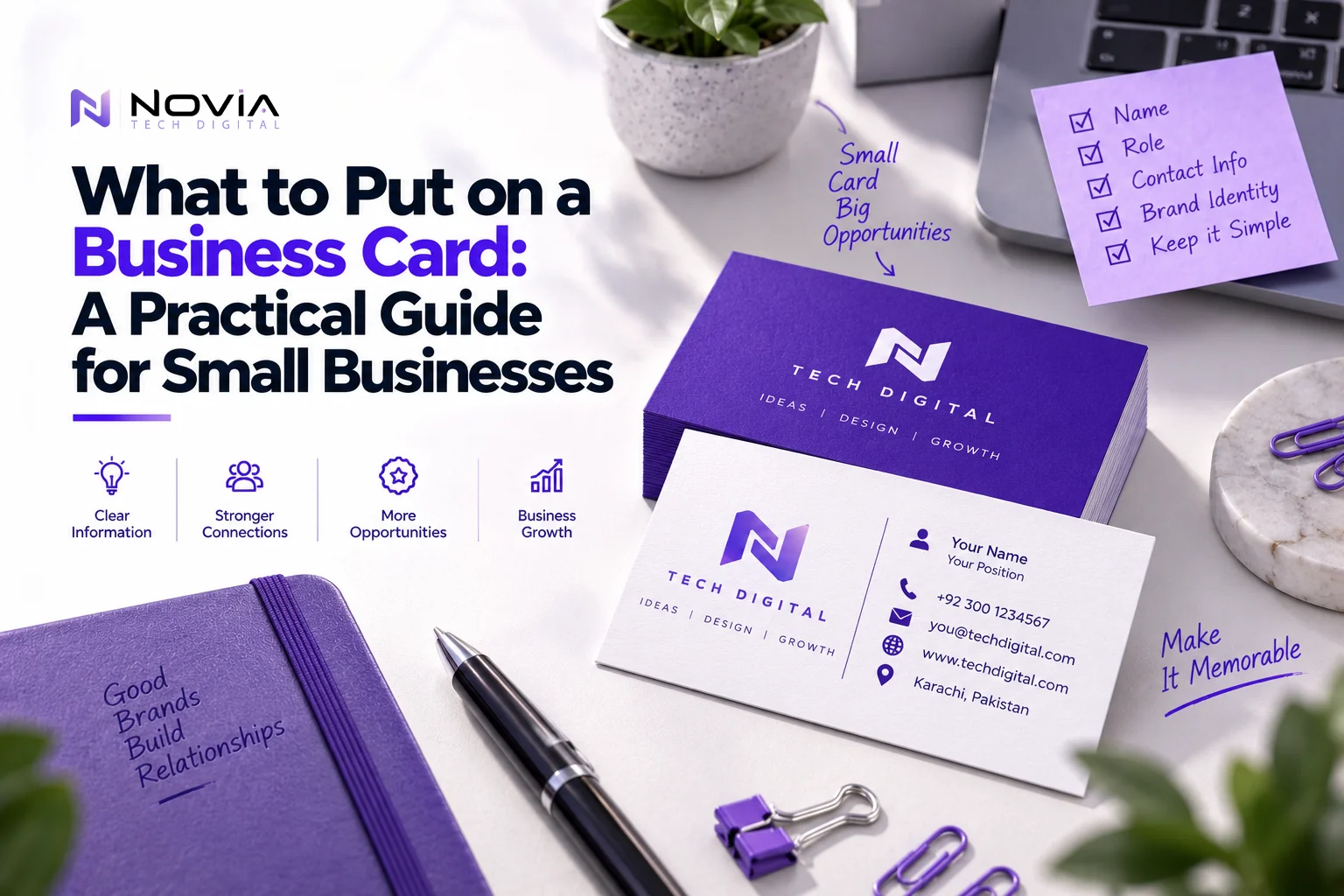
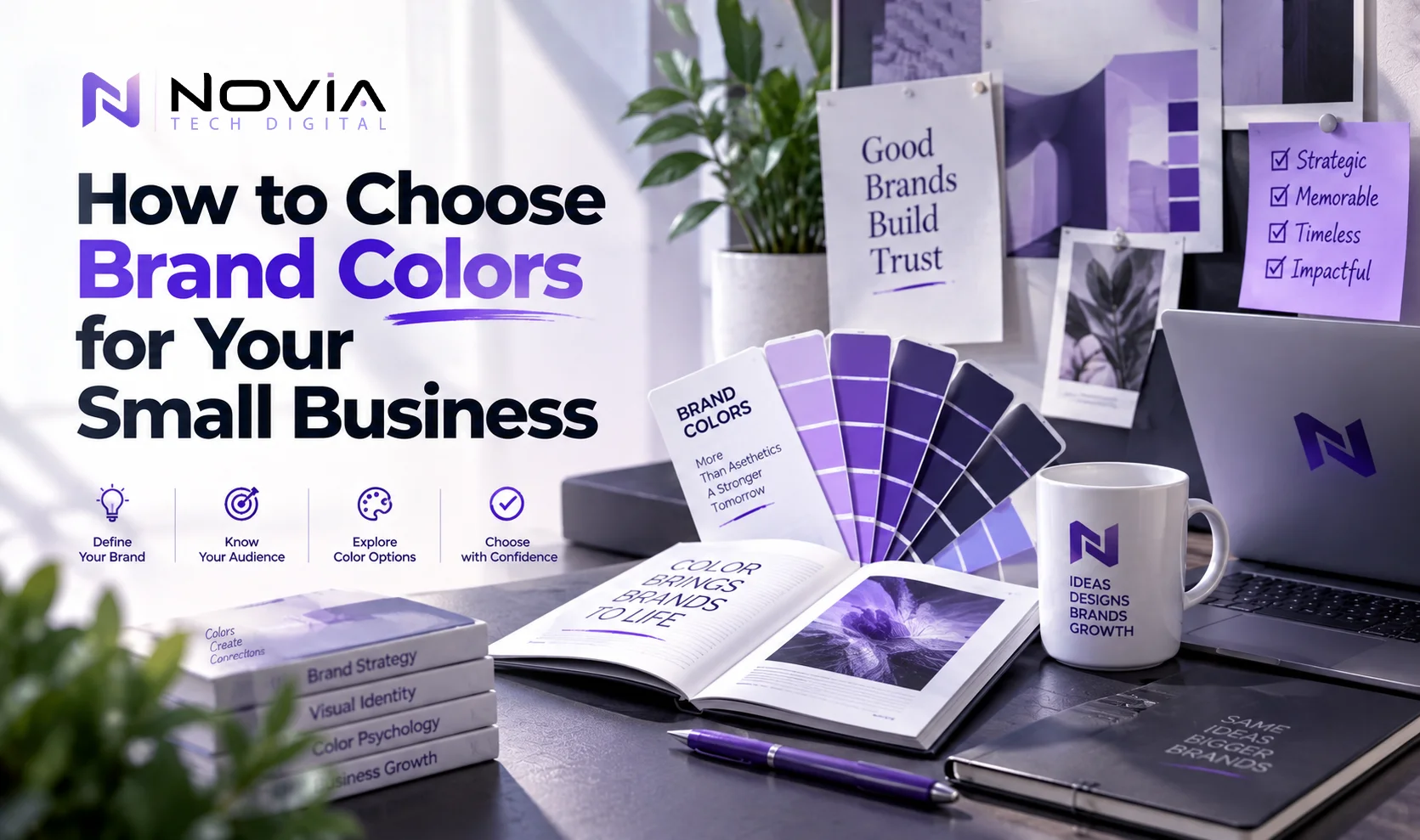
This includes your logo, color palette, typography, image style, and design elements. Together, they create the look of your brand. If you need a starting point, a custom logo is usually the foundation.
5. Brand Voice and Messaging
Your brand voice is how your business communicates. It may be friendly, professional, bold, or simple. Your website copy, social media captions, emails, and taglines should all sound like the same business.
6. Product Packaging
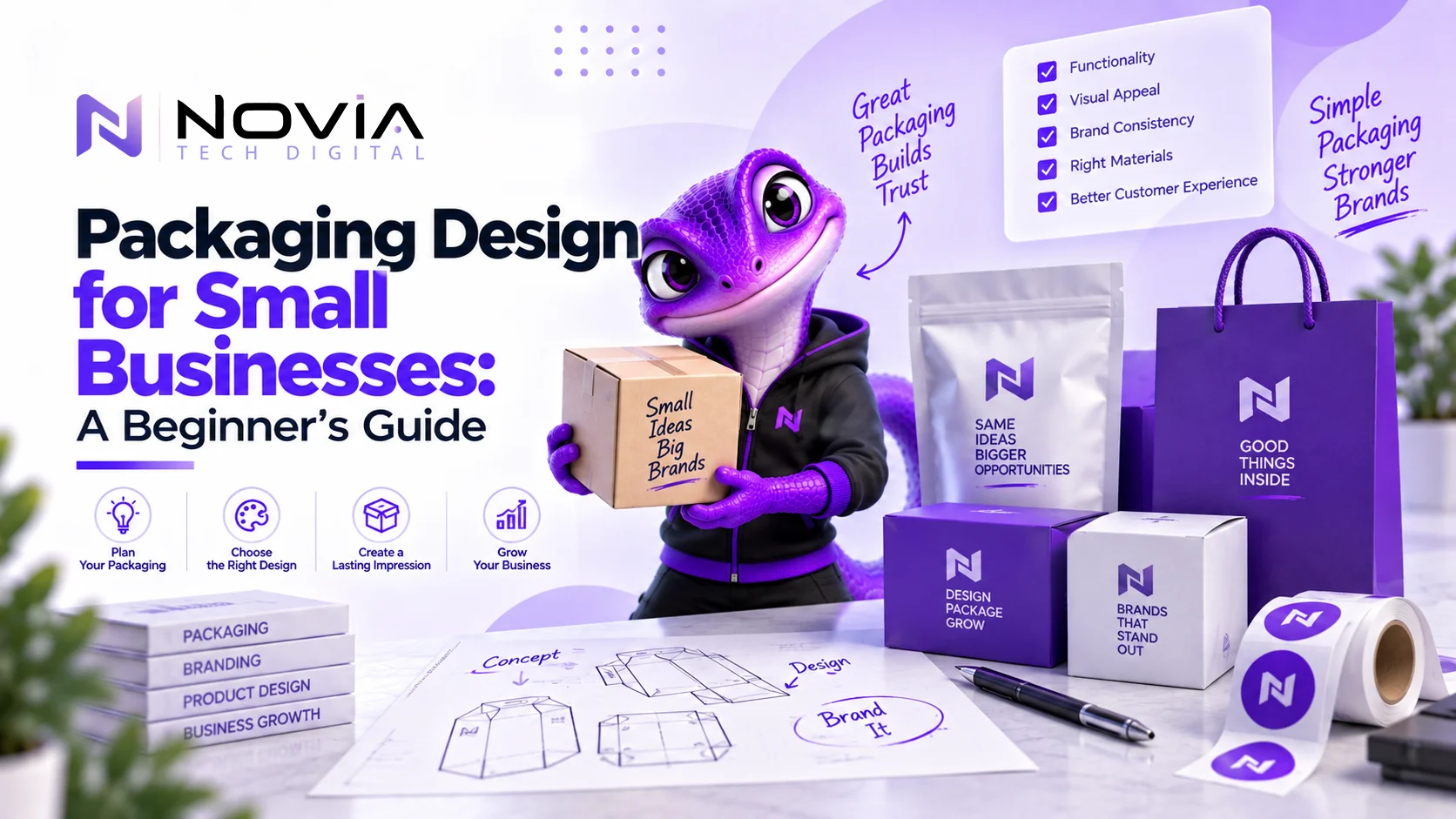
If you sell physical products, packaging is often a customer’s first real interaction with your brand. Good packaging protects the product, but it can also tell your brand story and create a better unboxing experience.
7. Brand Guidelines
Brand guidelines are simple rules that explain how to use your logo, colors, fonts, and tone of voice. They help your team, designers, and partners keep everything consistent as your business grows.
How to Build Your Brand Step by Step
You do not need to do everything at once. Here is a practical process.
Step 1: Review your current brand. Look at your website, social media, packaging, and printed materials. Do they look like they belong to the same business? Note what feels inconsistent or outdated.
Step 2: Define your audience and goals. Write down who you want to reach and what you want your brand to achieve. This could be more trust, a premium image, or better recognition in your local market.
Step 3: Study your competitors. Look at how similar businesses present themselves. The goal is not to copy them, but to find a way to be clearly different.
Step 4: Choose your brand personality. Decide how your business should come across. Friendly and approachable? Expert and professional? Modern and bold? This guides your design and tone.
Step 5: Create your visual identity. Develop your logo, color palette, typography, and supporting graphics. Keep it simple and make sure it works across your website, social media, and print materials.
Step 6: Write your messaging. Create a short description of your business, a tagline if needed, and a few key messages about what you offer and why customers should choose you.
Step 7: Document your brand guidelines. Save your logo files, color codes, fonts, and usage rules in one place so everything stays consistent.
Step 8: Apply it everywhere and keep improving. Use your new brand across every customer touchpoint. As your business grows, review it regularly and adjust where needed.
Common Small Business Branding Mistakes
Many businesses run into the same problems. Here are the most common ones.
- Using too many styles. Different fonts, colors, and logo versions across platforms make a business look disorganized.
- Copying competitors. If you look exactly like everyone else, customers have no reason to remember you.
- Following trends too closely. Trendy designs can look dated quickly. Aim for a timeless look.
- Ignoring brand voice. A polished design with inconsistent messaging still feels disconnected.
- Skipping strategy. Jumping straight into design without knowing your audience or positioning often leads to a brand that looks nice but does not communicate clearly.
- Expecting branding to fix everything. Branding supports your business, but product quality, pricing, and customer service still matter.
Should You Hire a Branding Agency?
You can handle some branding tasks yourself, especially early on. Simple templates can work for temporary social media posts or internal documents.
However, hiring a professional makes more sense when your brand needs to be consistent, credible, and ready to grow. A branding expert can help with research, positioning, visual identity, messaging, and guidelines, instead of just producing a logo file.
If you are searching for the best branding agency for small businesses in USA, look for a team that:
- Has a portfolio with relevant work. You can view our portfolio to see how we approach different projects.
- Starts by asking about your business, audience, and goals
- Offers a clear process from audit to final delivery
- Provides brand guidelines, not just individual files
- Explains timelines, revisions, and pricing upfront
The right partner should treat your brand as a long-term asset, not a one-time design job.
Frequently Asked Questions
What is small business branding?
Small business branding is the process of defining and presenting your business’s identity, including its visuals, voice, messaging, and customer experience, so customers can recognize and trust it.
Why is branding important for a small business?
Branding helps small businesses build trust, stand out from competitors, create consistent marketing, and compete with larger companies.
How much does branding cost for a small business?
Cost depends on the scope. A logo alone costs less than a full brand identity with strategy, messaging, packaging, and guidelines. The best approach is to request a quote based on your specific needs.
How long does it take to build a brand?
A basic visual identity may take a few weeks. A full branding project with strategy, messaging, and guidelines usually takes longer, depending on complexity and feedback rounds.
What is the difference between branding and marketing?
Branding defines who you are and how you present yourself. Marketing is how you promote your business to reach customers. Strong branding makes marketing more effective.
When should a small business consider rebranding?
Rebranding makes sense when your business has outgrown its old look, changed its target audience, expanded its services, or no longer reflects the quality of what you offer.
Final Thoughts
Small business branding is not about having the biggest budget or the flashiest design. It is about being clear, consistent, and memorable.
When your logo, colors, messaging, packaging, and customer experience all work together, your business becomes easier to recognize and easier to trust.
Start by understanding your audience and what makes your business different. Then build a visual identity and voice that reflect it, and apply them consistently everywhere customers find you.
If you are ready to build or refresh your brand, Novia Tech Digital can help you create a clear, professional identity designed around your business goals. Contact us to start the conversation.